
Why getting vaccinated before you travel is one of the smartest — and cheapest — parts of trip planning.
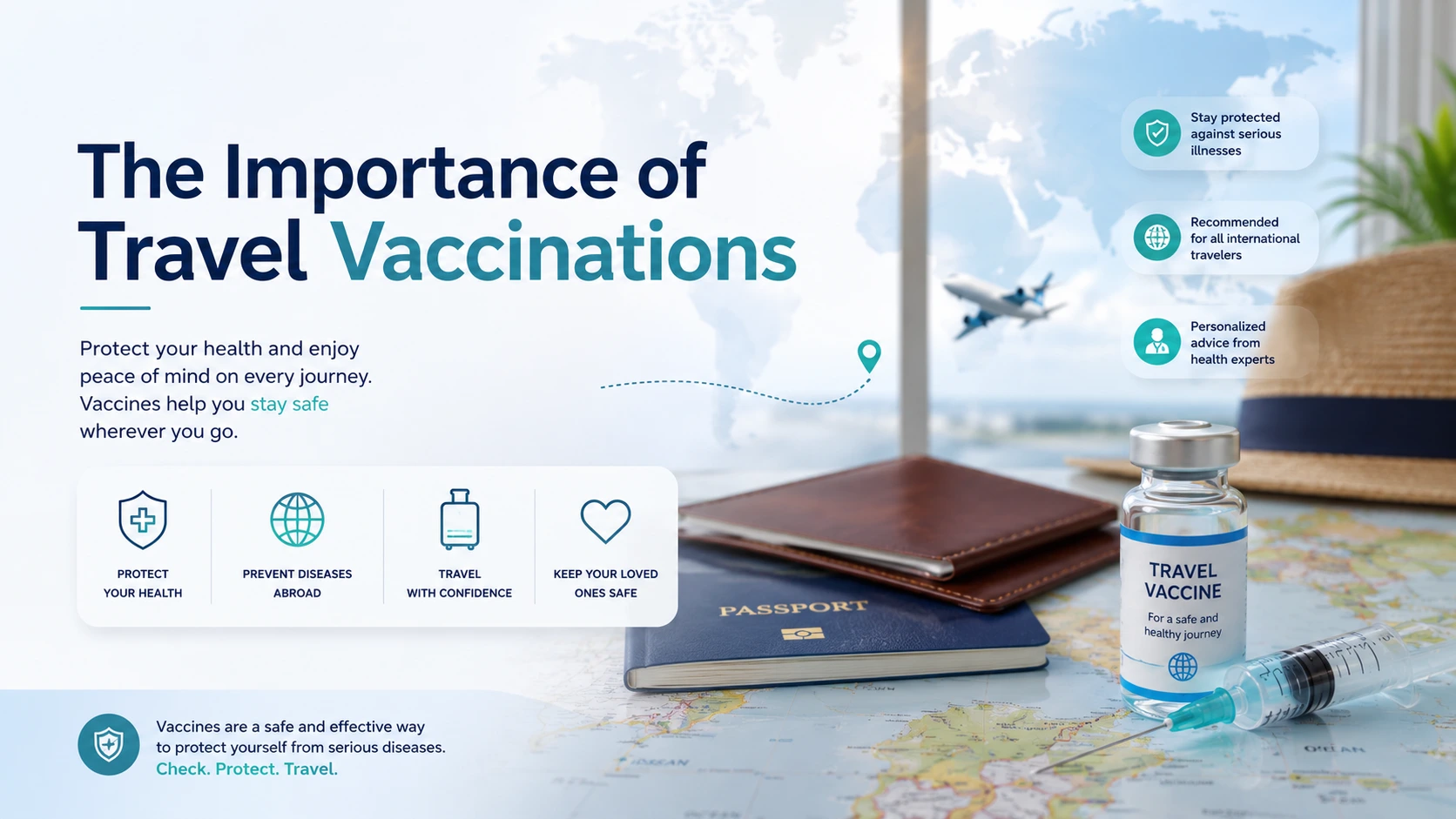
A vaccine contains inactive or dead viruses or bacteria that cause disease. They can't give you the illness — instead, they prompt your body to produce antibodies so it can defend itself quickly and effectively if you're ever exposed. It's worth comparing vaccination prices between private clinics and GPs before you book, as GPs often offer better rates.
Travel vaccinations are essential for preventing diseases that are rare at home but common at your destination — and in some cases, they're life-saving. Before travelling, research your destination's disease risks, as prevalence varies from region to region. Travellers commonly need protection against hepatitis A and B: hepatitis A can cause serious liver damage and spreads through contaminated food and drink, and is prevalent across parts of Asia, Africa and South America. Yellow fever spreads via mosquito bites throughout tropical Africa and South America. Prevention beats treatment, every time.
Travelling unvaccinated risks contracting a disease that requires expensive hospitalisation abroad. Vaccinations cost money, but it's minimal compared to emergency healthcare expenses. If you're budgeting a trip, include vaccination costs in the plan. Ask whether the clinic charges for follow-up doses, whether several vaccines can be given in the same visit to save repeat trips, and whether travel vaccinations are covered by your travel insurance.
People with chronic conditions — HIV, lung disease, diabetes or heart disease — face higher risks of complications from infectious disease while travelling, and should talk to their doctor well before departure.
International travel carries greater risks for HIV-positive travellers, as a compromised immune system increases susceptibility to infection. Talk to your doctor at least 6 weeks before travelling. Vaccines work best when CD4 counts exceed 200 cells; below that, live vaccines shouldn't be given. Commonly recommended vaccines include hepatitis B, influenza, pneumococcal and diphtheria, with others depending on your individual risk profile.
If you have COPD or asthma, certain infections can cause airway and lung inflammation, making breathing harder and potentially leading to pneumonia. Vaccines offer the best protection — commonly recommended are influenza, Tdap, pneumococcal and zoster vaccines.
Both Type 1 and Type 2 diabetes carry a heightened risk of serious complications from infection — even well-managed diabetes doesn't guarantee your immune system will fight infections effectively. Influenza can dangerously elevate blood glucose levels, and hepatitis B risk increases significantly. Important vaccines include influenza, Tdap, pneumococcal, hepatitis B and zoster.
Heart disease weakens the body's ability to fight disease — particularly influenza. Commonly recommended vaccines include influenza, pneumococcal, zoster and Tdap.
The right vaccines for you depend on your destination, trip length and medical history — that's why we recommend a travel health consultation a few weeks before you fly, since some vaccines need time to take effect.
Book a few weeks ahead — some vaccines need time to take effect.